Questions? Ask Us!
While our librarians cannot provide legal advice, they can help you find legal aid and attorney referral services if you need help from an attorney.
About Us
We are a public library that serves the legal information needs of self-represented litigants, legal professionals, the judiciary, and county and other governmental officials. Learn more about the library.
Location and Hours
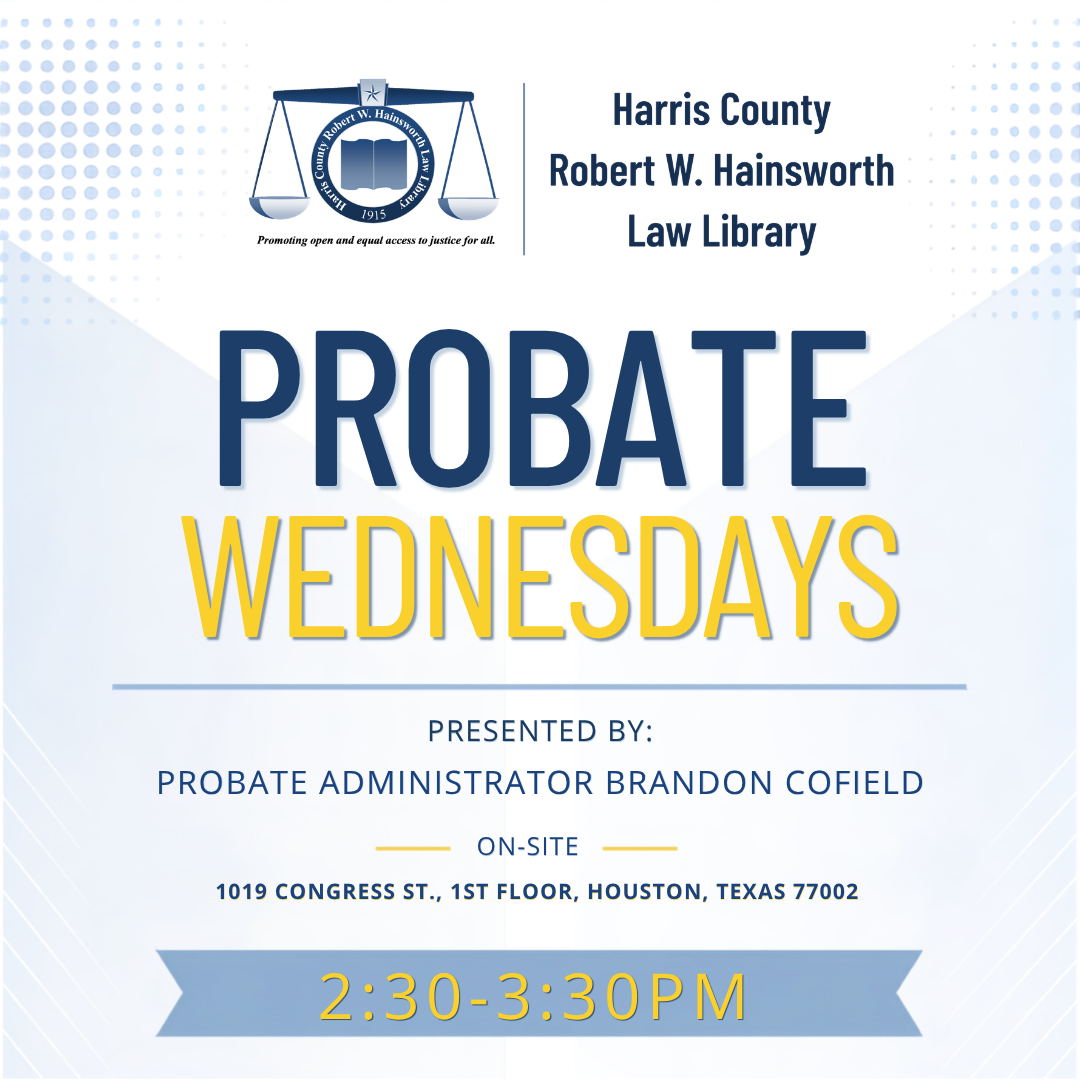
1019 Congress Street, 1st Floor, Houston, Texas 77002
Can’t make it downtown? See how LAWPods bring the law library closer to you!
Monday through Friday, 8:00 a.m. to 5:00 p.m. (except Harris County-observed holidays).
Quick Links
Upcoming Law Library & Community Events
Total CLE: There is no CLE credit for this event.
Ex Libris Juris - A Blog
This September, we invite you to stop by the Law Library and discover just how many doors a library can open. Get access to information, learning opportunities, and connections to the community around us. Consider making one visit to the Law Library to accomplish several things: Get connected to HCPL. Take legal research beyond the library by accessing our remote legal research resources. Register to vote—well ahead of the October 5 deadline.
The right to your beliefs should never be revoked, they're ubiquitous. Religious freedom is a foundational principal in the United States and is preserved by the First Amendment to the constitution. Unfortunately, religious bias and discrimination maintain a presence in legal and social issues in communities. Being one of the most diverse cities in the United States, Houston implements a unique lens to examine the correlation between religion, discrimination, and the law.
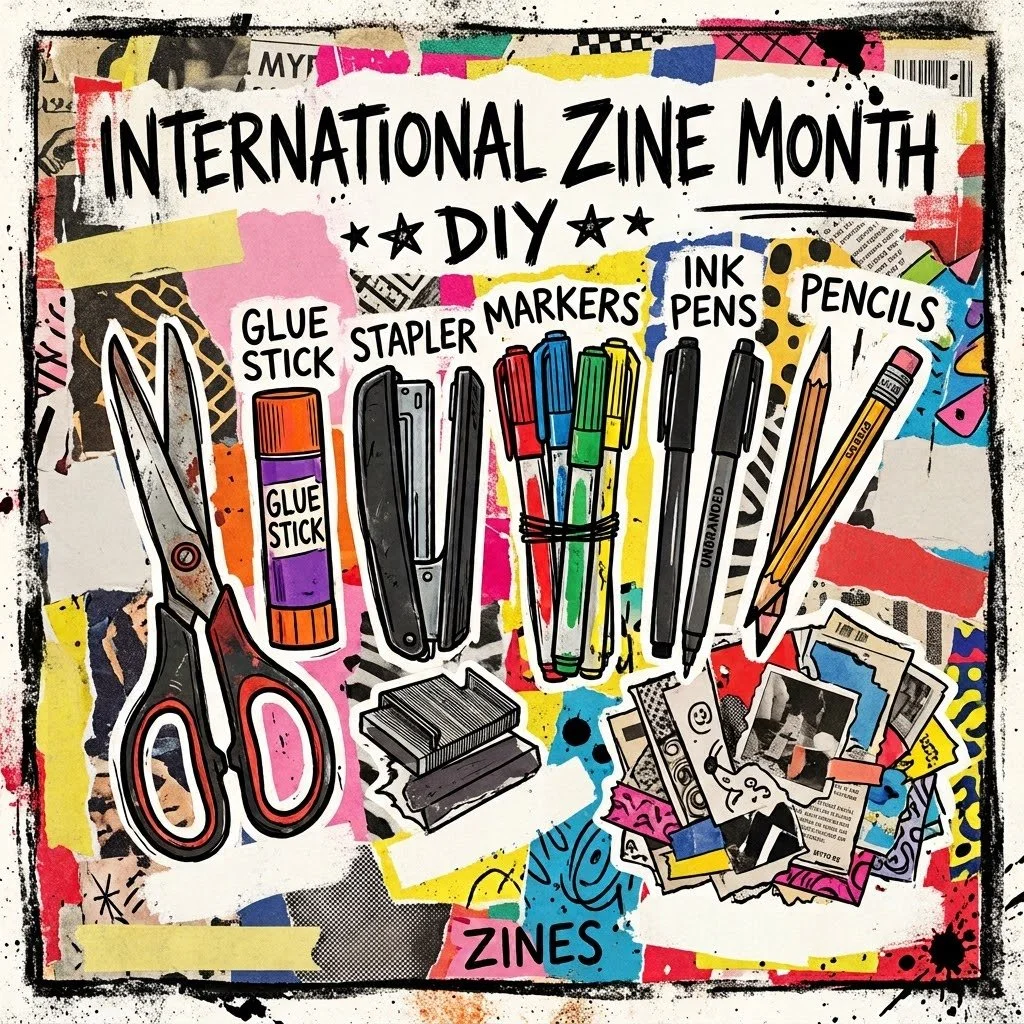
Throughout history, individuals and groups have produced tracts, essays, manifestos, and open letters intended to influence public opinion or explain complex legal and political questions to broader audiences. The format was often simple: inexpensive paper, straightforward printing methods, and distribution by hand or public posting. One could even argue that America’s most famous “zine” was a series of 85 essays published in newspapers between 1787 and 1788 known today as The Federalist Papers.